



-
Development
A software development team manages app development, testing, and design.
-
Installation
A CD-ROM or download media is used to distribute the app to users.
-
Launch
The app can be opened by double-clicking on its icon or by clicking on the Start Menu icon.
-
User Interaction
User interactions occur via the GUI, where tasks are performed and features are accessed.
-
Data Processing
Apps process user input and retrieve data from databases and other sources, then process the data in various ways.
-
Output
In the app, the output is generated from the user's actions, such as data display, report generation, or actions taken by the user.
-
Storage
Whether the Windows app development functionality stores data locally or on remote servers depends.
-
Shutdown
When the user closes the app, it shuts down and releases whatever resources it utilizes.
Overall, desktop apps provide users with many features and capabilities and are effective tools for productivity and enjoyment.
A Complete Guide on Desktop App Development
The demand for desktop applications has increased as technology continues to develop quickly. This thorough book offers everything you need to know to get started, whether you're an IT expert wishing to broaden your skill set or an aspiring developer wanting to build your app.
Everything from the fundamentals of developing desktop apps to more complex subjects like user interface design, coding languages, and deployment techniques will be covered in this blog. The many kinds of desktop programs, such as native, web-based, and hybrid ones, as well as their advantages and disadvantages, will be covered.
Our detailed instructions and useful advice will provide the skills and resources you need to create your original desktop applications, from concept generation to app launch.
Therefore, get ready to explore the fascinating world of desktop app development, whether you're an experienced developer or just getting started.
What is a Desktop Application?

Designing, creating, and distributing software applications that operate natively on a user's desktop or laptop are all parts of desktop app development. Since desktop applications can access more of the computer's processing power and storage, they are often more robust and feature-rich than online applications. The ability to run desktop apps without an internet connection can greatly benefit consumers who need to access their software.
Desktop programs include artistic software like Adobe Photoshop, productivity tools like Microsoft Office, and music players like iTunes or VLC. Programming abilities, familiarity with particular programming languages, such as C++, Java, or Python, and an understanding of operating systems and user interfaces are necessary for desktop app development.
How Does Desktop App Work?
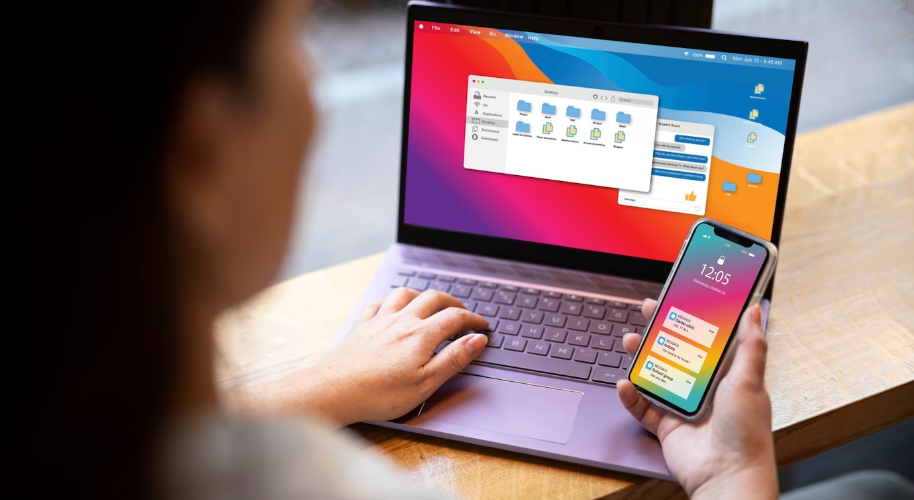
A desktop app is a software program installed on a computer or laptop and runs locally on the device. Desktop application development typically has a graphical user interface (GUI) that allows users to interact with the program.
Here are the general steps involved in how a desktop app works:
Benefits of Desktop App Development
Knowing the development and functions of cross-platform app development is as important as learning about the benefits. Desktop app development can offer a variety of benefits, including:
-
Increased Performance
Since they do not require an internet connection, desktop apps frequently run faster and more effectively than web-based ones. It can be particularly crucial for applications that demand intensive processing or big volumes of data.
-
An Improved User Experience
Desktop app development can utilize all of the features of the machine and operating system; desktop programs frequently offer a better user experience than web-based ones. It may result in more functionality, improved performance, and user-friendly interfaces.
-
Offline Usage
Due to their offline accessibility, desktop programs are more dependable and practical for users who might not always have internet access.
-
Enhanced Security
Since desktop apps can be installed directly on the user's computer and are not dependent on a browser, they can be more secure than web-based applications. Hackers may find it more challenging to take advantage of application weaknesses.
-
Customization
Desktop programs can be more easily tailored to a user's or organization's unique requirements. Increased efficiency and production may result from this.
-
Monetization
Windows application development can be offered as standalone items, giving developers a possible source of income. They can also be combined with other software goods or services, opening new business prospects and revenue streams.
Step By Step Guide to Build Desktop App
Building a desktop application can seem daunting with the right approach and tools. It can be a manageable and rewarding project. This step-by-step guide will walk you through the prog, a desktop app development.
-
Step 1: Define Your Project Requirements
Before you start coding, you need to define your project requirements. It includes the app's purpose, features, target audience, and technical constraints. This step will help you stay focused and ensure that you build an app that meets the needs of your users.
However, it is the most important stage where you need to hire dedicated developers after knowing your project requirements, as they will help you in the desktop app development.
-
Step 2: Choose a Programming Language and Framework
Right after hiring the developers, now is the time when you must ensure that you choose the programming language and framework which will depend on the app's requirements, your personal preferences, and mobile app development services advice.
Some popular programming languages for desktop app development include Java, Python, C#, and C++. Frameworks such as Electron, Qt, and WPF can help you develop apps faster and with less code.
-
Step 3: Design the User Interface
The user interface (UI) is critical to any desktop app development. It should be intuitive, easy to use, and visually appealing. Only a mobile app development company can design incredibly techno-savage applications by utilizing tools like Sketch or Figma to create wireframes, mobile app development frameworks, and mockups of your UI. Before coding, these tools allow you to experiment with different layouts, colors, and fonts.
-
Step 4: Write the Code
The core work of developers starts from here. In this section, the dedicated mobile app developers will develop the app according to your project requirements, choose a programming language and framework, and design your UI. The best mobile app developers can use an Integrated Development Environment (IDE) like Visual Studio, Eclipse, or PyCharm to write and debug their code.
-
Step 5: Implement the App Logic
The process of web app development isn't completed yet. The app logic is the underlying code that makes the app work. This includes things like input validation, data storage, and user authentication. The web app development company can use libraries and frameworks to speed up the development process and ensure your app is reliable and secure.
-
Step 6: Test Your App
Testing is a crucial part of desktop app development. It is crucial to ensure that your app works as intended and that there are no bugs or performance issues. It is vital to remember that your hired website developer is providing you with the application after testing every error. It depends on the developer if they want to use manual testing or automated testing tools to test your app. Test your app on different devices and operating systems to ensure compatibility.
-
Step 7: Maintain and Update Your App
Lastly, an important part of desktop app development is maintaining and updating your application timely. Maintaining and updating your app is critical to remain relevant and functional. Getting in touch with the developers to fix any bugs discovered and release updates to add new features or improve performance is essential. You can use analytics tools to track user behavior and feedback to inform your app updates.
Key Features of Desktop App
If you have come this far, learning about the key features of desktop applications is way too important. We have compiled a list of desktop app development features you should know to provide a thorough guide on the desktop app.
User Panel
-
Login/Signup
To access the application, users can either register for a new account or sign in to an existing one.
-
Dashboard
A home page that lists the key attributes and capabilities of the application.
-
Profile Management
Users can change their password, email address, and other personal information.
-
Settings
The user can change the language, alerts, and privacy options for an application.
-
Navigation
A menu or navigation bar that gives users access to the application's various sections.
-
Search
A search engine that enables users to browse the application's content to find particular items.
-
Data Management
Users may manage their data within the application by adding new files, creating folders, and removing files.
-
Collaboration
Users can communicate through messaging, file sharing, and joint project work.
-
Analytics
Access to analytics information and insights into user behavior within the program is available to users.
-
Help/Support
Users can use support and assistance tools like a knowledge base, FAQs, or customer service.
Admin Panel
-
User Management
The admin can utilize this functionality to control user roles, permissions, and access levels.
-
Content Management
A home page that lists the key attributes and capabilities of the application.
-
Analytics and Reporting
This feature offers information on user involvement, activity, and other indicators to assist the admin in making wise decisions.
-
Security and Permissions
Using this feature, the admin can set up authentication and authorization processes, manage security settings, and govern access to various functions and data.
-
Backup and Recovery
Thanks to this functionality, the administrator can make data backups and restore data in case of loss or corruption.
-
Configuration Management
With this function, the admin can customize the application's settings, including database settings, email settings, and other application settings.
-
Logging and Auditing
This feature keeps a log of all user activity and system events to aid in troubleshooting, monitoring, and auditing.
-
Notifications and Alerts
The admin can set up notifications and alerts for important events like system failures or security breaches using this capability.
-
Integration with other systems
With this functionality, the admin can connect the Python web development to other platforms, including marketing automation platforms, payment gateways, and customer relationship management (CRM) systems.
What Is the Cost of Desktop App Development?
The cost of desktop app development for a single platform, either iOS or Android, could cost around $8,000-$15,000 but the cost could go up to $25,000 or more, depending on the complexity and features of the application.
The following factors influence the cost of developing a desktop app –
-
Development Platform of preference (iOS, Android, or both)
-
App Development Time
-
Application Features
-
Tech Stacks
-
Size & Complexity of App
How Can Dev Technosys Help You?
Dev Technosys has been providing top-notch web app development services to businesses of all sizes for over 12 years. With a team of over 500 professionals, we work tirelessly to deliver the best development solutions to our clients.
Our expertise includes insurance app development, as we have developed numerous mobile applications and websites for various industries. If you're interested in developing an insurance app, simply share your requirements with us, and our dedicated developers will create customized insurance software that fits your budget perfectly. You can schedule a consultation with our professionals at Dev Technosys and receive a free quote today.